
NATS apprenticeship management for engineering and diploma intake
The National Apprenticeship Training Scheme is the cheapest legitimate way to try a hundred engineering and diploma freshers before committing to any of them. It runs through the Boards of Apprenticeship Training on the NATS 2.0 portal, with its own registration, contract and stipend rules — which is where most employers give up. We run it end to end with you.
Trades, batch size and start month. We aim to send a costed programme plan within one working day.
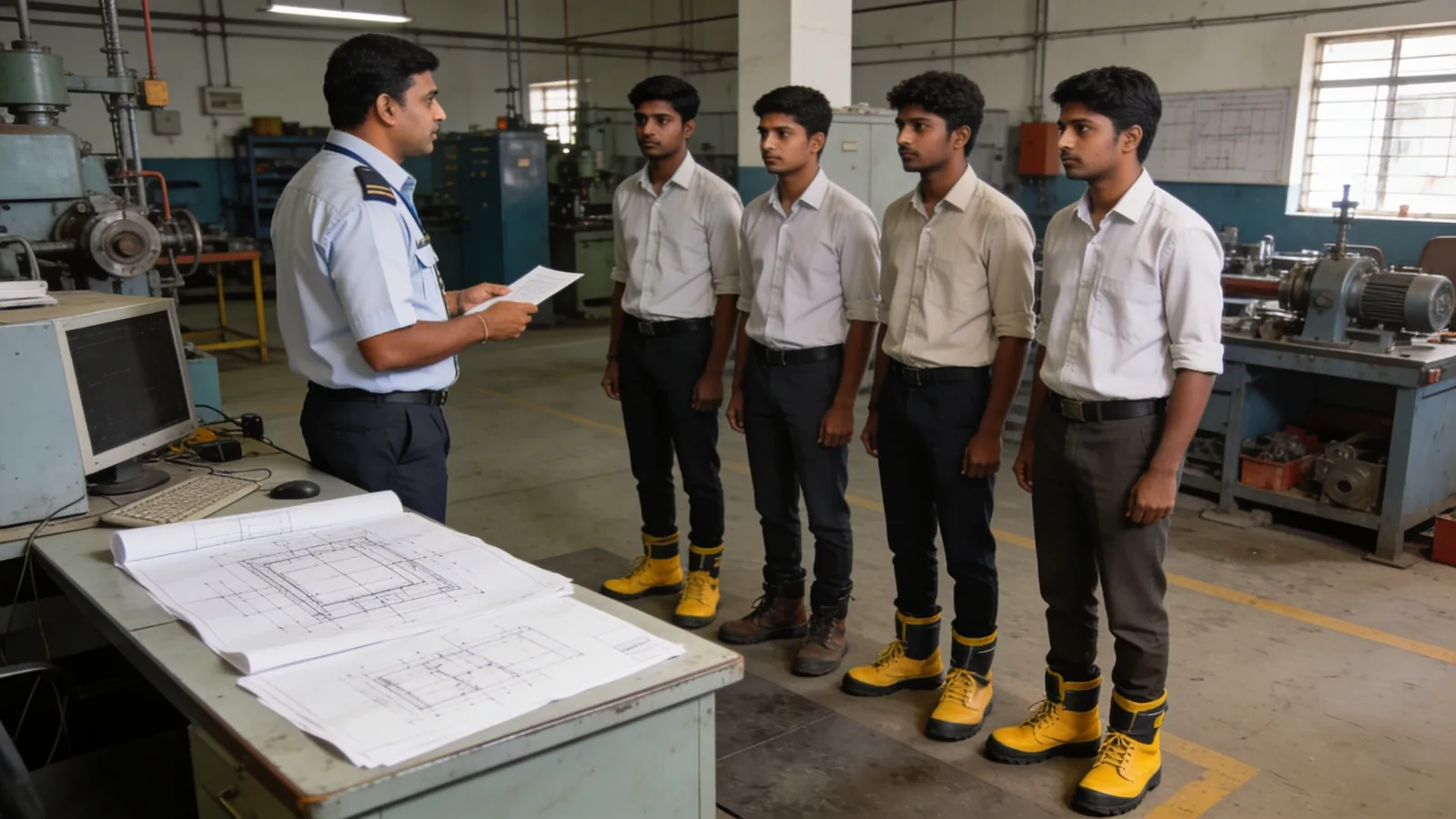
Where NATS fits in a hiring plan
NATS suits engineering and diploma intake into design, quality, maintenance, process and project functions — and general graduates into operations and back-office roles — wherever a year of real work is a better filter than any interview.
- ✓Stream selection: graduate (engineering or general), technician (diploma) and technician (vocational)
- ✓Establishment registration on the NATS 2.0 portal with the relevant regional Board
- ✓Candidate sourcing from engineering, polytechnic and degree colleges
- ✓Contracts executed on the portal and approved by the Board before the start date
- ✓Stipend paid at or above the 2025 minimum, with monthly confirmation on the portal
- ✓Mentor allocation, rotation plan and periodic assessment records
- ✓Government DBT share tracked apprentice by apprentice
- ✓Certificate of proficiency processing and absorption support at term end
Graduate engineer hiring is a coin toss you pay full salary for
Campus offers are made on a written test and a twenty-minute interview, and the actual capability shows up in month four — at full CTC, with a resignation risk attached.
Whether an engineer can stand on a floor, read a drawing, handle a supervisor conversation and finish a task without being chased is not visible in a placement interview.
Then a second campus cycle to replace them, and a management team that has stopped believing in fresher hiring.
NATS gives you a one-year apprenticeship at a prescribed stipend, part of it paid by the government directly to the apprentice, real rotation across departments, and an absorption decision based on twelve months of evidence.
Plan a batch →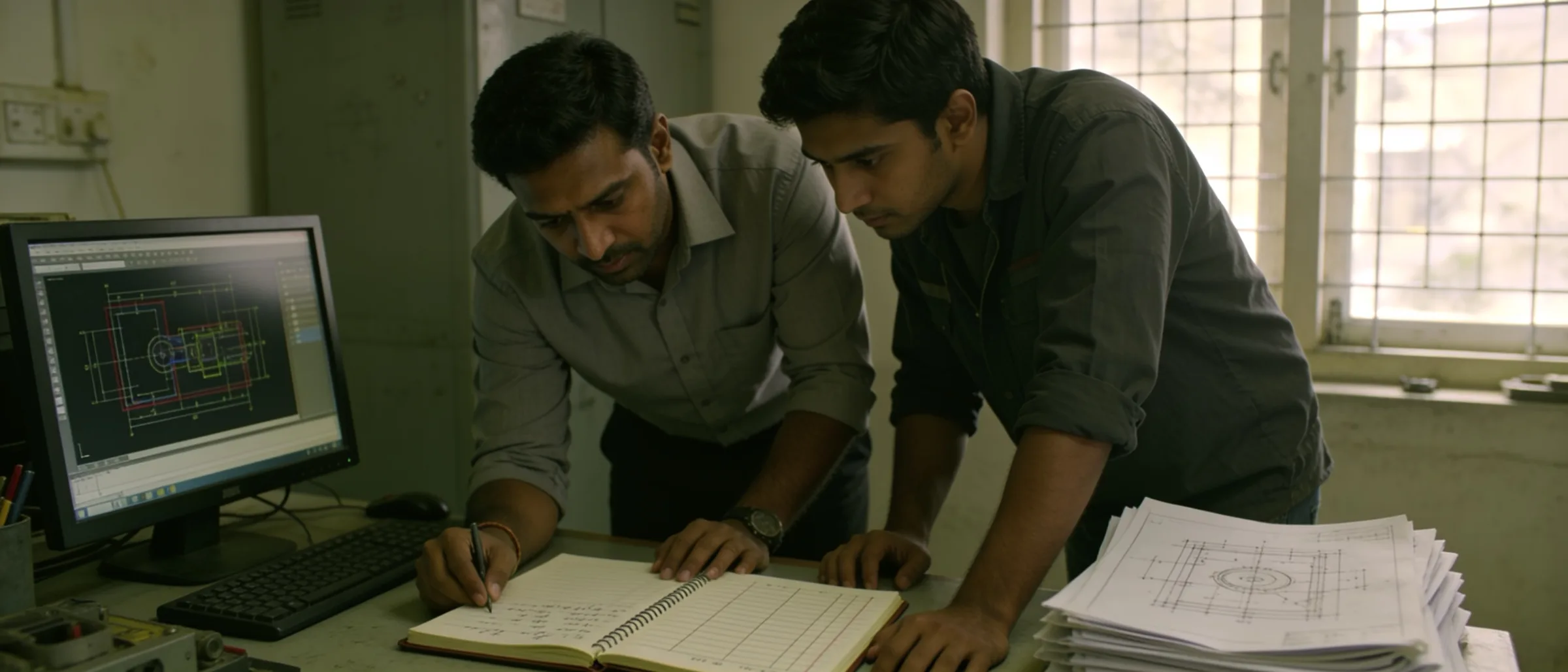
Registration, rotation, absorption
Priced per apprentice per month for administration, on top of your share of the stipend. The government share goes straight to the apprentice by DBT.
Every stream has different eligibility and stipend rules. Getting the stream wrong puts the contract and the government share at risk.
The National Apprenticeship Training Scheme at a glance
NATS is the Ministry of Education's apprenticeship scheme for graduates, diploma holders and vocational certificate holders, run through the regional Boards of Apprenticeship Training (and Practical Training) on the NATS 2.0 portal at nats.education.gov.in. What an employer needs to know:
| Topic | The position |
|---|---|
| Who can be engaged | Graduate apprentices (engineering and general streams such as B.Com, B.Sc and BBA), technician apprentices (diploma) and technician (vocational) apprentices |
| Term | Typically one year of on-the-job training against a training plan approved on the portal |
| Minimum stipend | Set by the Apprenticeship (Amendment) Rules, 2025, in force from 11 September 2025 — see the table below |
| Government share | Paid by DBT directly to the apprentice. The central share was set at half of the earlier minimum stipend — ₹4,500 a month for graduates and ₹4,000 for diploma holders — and the Boards' October 2025 notice continued those amounts until further orders. A May 2026 Board circular is reported to have set the share at half of the revised minimum stipend from 1 April 2026; confirm the current figure with your regional Board |
| Process | Establishment registers on the portal, posts vacancies, selects applicants, executes contracts online; the Board approves; monthly attendance and stipend are confirmed on the portal |
| End of term | Assessment and a Certificate of Proficiency issued through the portal |
| Legal status | Apprentices are trainees under the Apprentices Act, 1961 — not workers under the Labour Codes, so PF and ESI do not apply |
| Degree-linked route | Apprenticeship Embedded Degree Programmes (AEDP) let students complete an apprenticeship inside their degree, also managed on the NATS portal |
The Boards revise the central share by notice; we confirm the current figure for your stream and region before contracts are executed.
Minimum stipend and your share, by stream
Illustration using the 2025 minimum stipends. The lower government-share figure is the cap the Boards' October 2025 notice continued; the higher one is half the revised minimum, which a May 2026 Board circular is reported to apply from 1 April 2026. Confirm the current figure before budgeting. You may pay more than the minimum; the central share does not rise with it.
| Stream | Minimum stipend per month | Government share via DBT | Your share per month |
|---|---|---|---|
| Graduate apprentice (degree) | ₹12,300 | ₹4,500–₹6,150 | ₹6,150–₹7,800 |
| Technician apprentice (diploma) | ₹10,900 | ₹4,000–₹5,450 | ₹5,450–₹6,900 |
| Technician (vocational) apprentice | ₹9,600 | As notified by the Board | Balance of stipend |
No PF, ESI or gratuity is payable on stipend. Budget separately for insurance, PPE, travel on rotation and any administration fee. For ITI and school-leaver intake, see NAPS apprenticeship services, where the government share is up to ₹1,500 a month.
NATS apprenticeship, campus hire or internship?
Three ways to bring freshers in, with very different cost, obligation and evidence at the end:
| NATS apprenticeship | Campus hire | Internship | |
|---|---|---|---|
| Legal status | Apprentice under the Apprentices Act | Employee from day one | Student or trainee under the internship terms |
| Monthly cost | Stipend, with part paid by the government | Full CTC plus PF, ESI where applicable, gratuity provision | Stipend at your discretion |
| Length | Typically 12 months | Open-ended | Weeks to a few months |
| Obligation at the end | None to absorb; certificate issued | Continuing employment | None |
| What you learn about the person | Twelve months of assessed, rotated work | A test and an interview | A short project |
| Best for | Engineering, quality, maintenance, process and — for general graduates — operations and back office | Roles you must fill permanently now | Early talent branding and projects |
For hiring freshers directly onto your rolls, see campus hiring.
A sample 12-month rotation plan
Apprentices parked in one department for a year learn little and leave. A rotation for a mechanical diploma apprentice in a plant might look like this:
Induction and safety
Plant rules, safety induction, 5S, documentation, and a named mentor.
Production
Line exposure, process parameters, shift handover, daily reports.
Maintenance
Preventive maintenance schedules, breakdown analysis, spares and permit-to-work.
Quality
Inspection, measurement, rejection analysis and a small improvement project.
Home department and assessment
Back where they are likely to be absorbed; consolidated assessment and mentor recommendation.
Questions employers ask before starting a batch
Answers we give in the first call, written down so you can compare providers on the same terms.
Plan a batch →What is the difference between NAPS and NATS?+
NAPS (Ministry of Skill Development) covers trade and optional-trade apprentices — largely ITI-level and fresher shop-floor intake — on apprenticeshipindia.gov.in, with government support of up to ₹1,500 a month. NATS (Ministry of Education) covers graduate, diploma and vocational apprentices through the Boards of Apprenticeship Training on nats.education.gov.in, with a larger government share and a one-year typical term.
How much of the stipend does the government pay under NATS?+
The central share is paid by DBT straight to the apprentice, not reimbursed to you. The Boards' October 2025 notice continued ₹4,500 a month for graduate apprentices and ₹4,000 for diploma apprentices after the 2025 stipend revision; a May 2026 Board circular is reported to raise it to half of the revised minimum stipend from 1 April 2026. We confirm the current figure for your stream before the batch starts.
Are NATS apprentices counted as employees?+
No. They are apprentices under the Apprentices Act for a fixed term, not workers under the Labour Codes, so PF and ESI do not apply, and the engagement ends with the term unless you absorb them.
Does the apprentice's stream have to match the role?+
Yes — the training plan has to fit the qualification. An engineering apprentice belongs in engineering, quality, maintenance, process or projects; for commercial, operations and back-office roles, engage general-stream graduates such as B.Com or BBA instead.
What does your administration fee cover?+
Portal registration, candidate sourcing, contracts, stipend administration, assessment and rotation records, DBT tracking and certificate processing — per apprentice per month, over and above your share of the stipend.
What stipend must we pay NATS apprentices in 2026?+
The Apprenticeship (Amendment) Rules, 2025 set monthly minimums of ₹12,300 for graduates, ₹10,900 for diploma holders and ₹9,600 for vocational certificate holders. The government pays its share by DBT directly to the apprentice; you pay the balance.
Can general graduates such as B.Com or BBA be NATS apprentices?+
Yes. NATS covers graduates in general streams as well as engineering, so commercial, operations and back-office roles can be run as apprenticeships, provided the training plan matches the qualification.
Try a hundred engineers before you hire ten
Tell us the disciplines and the batch size. We will map the streams, the stipend cost and the government share your apprentices receive by DBT.