
Heavy equipment operator staffing, matched machine by machine.
A yard runs on a handful of machines, and one operator who cannot handle the one that matters holds up every truck behind it. Heavy equipment operator staffing goes wrong when a licence is treated as proof of competence on every machine. Godstone Consultech screens for machine-specific handling, load discipline and yard-safety awareness, employs every worker on our own payroll, and keeps PF, ESI and contract-labour records with us — so the person on your floor is documented, replaceable and accountable from day one.
Machine list, shift pattern and yard profile are enough to price.
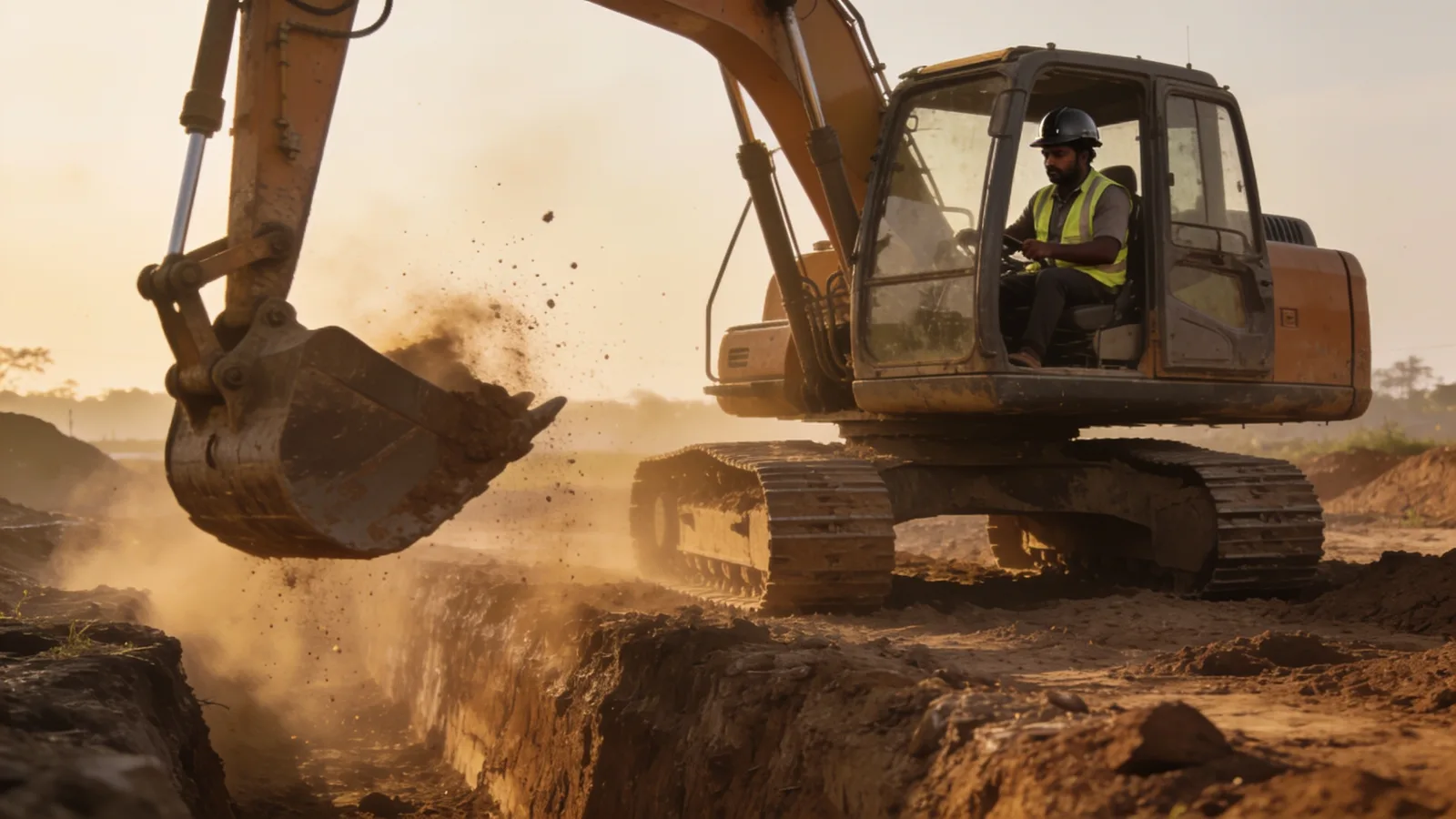
Loaders, tippers, reach stackers and material handlers.
Plant and yard handling equipment differs machine by machine. We screen against the actual fleet — loader, tipper, reach stacker, material handler — and keep the test record per machine class.
- ✓Wheel loader and payloader operation
- ✓Tipper and dumper operation within premises
- ✓Reach stacker and container handler operation
- ✓Scrap, bulk and raw-material handling
- ✓Daily inspection, greasing and fault reporting
Yard throughput lives or dies on the operator
One machine, one operator, and every truck in the queue behind them.
An operator with experience on a loader is put on a reach stacker because the licence looks the same on paper.
Damaged containers, a queue of waiting trucks with detention charges, and a machine down for repair that was working fine yesterday.
Practical testing per machine class, yard traffic and safety induction, daily inspection discipline, and standby operators so a single absence does not stall the yard.
Get a rate card →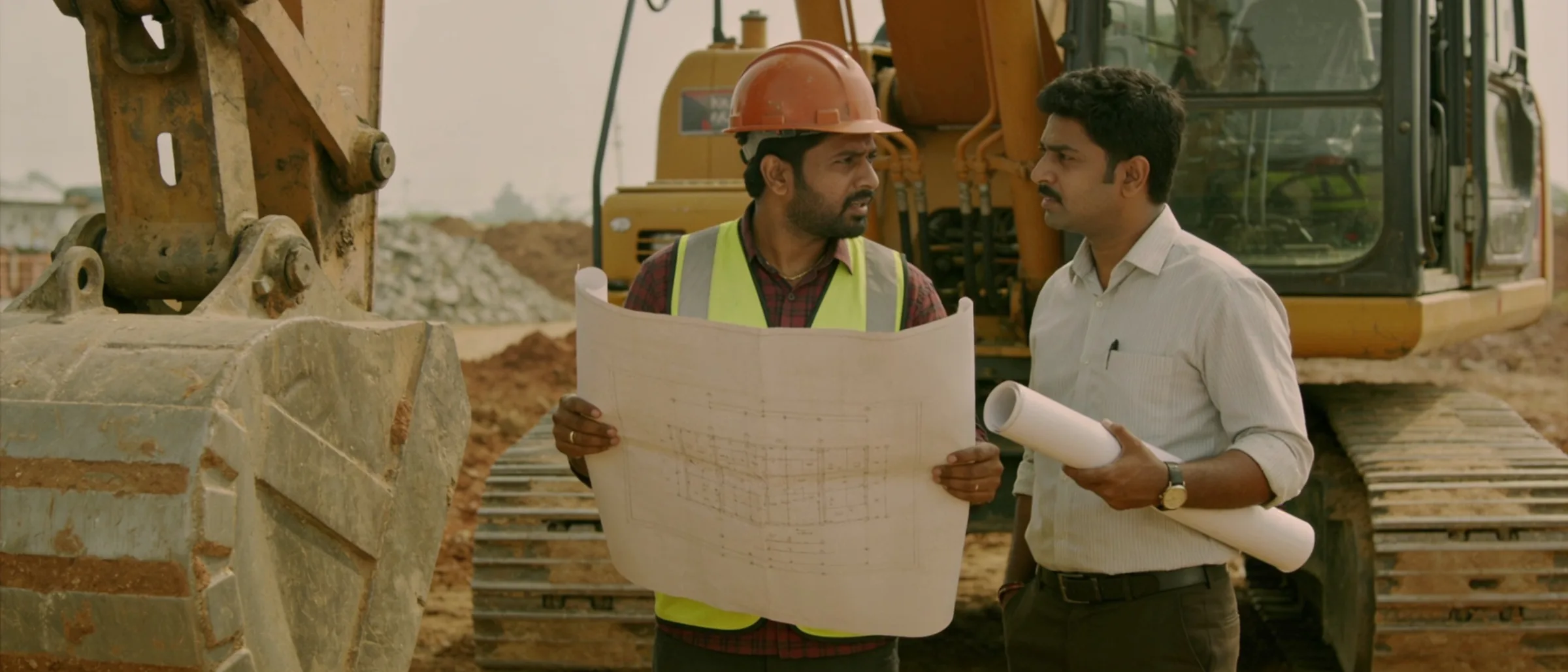
Screening, deployment and compliance
Move the slider for an illustrative monthly bill at an assumed 12% service fee; your actual fee is set out in the rate card. Firm rates follow the state minimum wage for the category and the shift pattern.
What clears before the worker reaches your gate.
Heavy equipment classes and what each operator must show
A loader operator is not a reach-stacker operator, and a backhoe hand is not an excavator operator. Each class is tested separately:
| Machine | Where it works | What the operator must show |
|---|---|---|
| Backhoe loader (JCB) | Sites, plants, utilities | Trenching to line and level, stabiliser use, loader-end truck filling, road travel if licensed |
| Excavator | Earthworks, quarries, demolition | Slew awareness, digging near buried services, loading trucks without swinging over the cab |
| Wheel loader or payloader | Stockyards, plants, ports | Bucket fill and truck loading, stockpile stability, reversing with a spotter |
| Dumper or tipper (in premises) | Mines, quarries, projects | Tipping on level ground only, edge berms, haul-road speed discipline |
| Reach stacker or container handler | Ports, ICDs, container freight stations | Spreader locking, stacking tiers, load chart by row, wind and visibility limits |
Lifting with cranes: see crane operator staffing. Forklifts in warehouses: forklift operator staffing.
Road, site, mine and port rules for operators
Where the machine works decides which rules apply. What to expect on file:
| Location | What applies |
|---|---|
| Public roads | Construction equipment vehicles under the Central Motor Vehicles Rules — registration, insurance and a licensed driver |
| Construction sites | Building and construction safety rules, now under the OSH Code 2020: competent operators, tested machines, traffic plans |
| Mines and quarries | DGMS-enforced mines regulations: HEMM operator training and authorisation before deployment |
| Ports and ICDs | Dock safety rules, now under the OSH Code; central-sphere minimum wages for many port operations |
| Every site | Rollover and falling-object protection and seat belts used; a spotter wherever reversing or blind spots put people at risk |
The four Labour Codes have been in force since 21 November 2025; where State or sector rules under them are pending, earlier rules continue to the extent they are consistent.
How operators are tested before deployment
We test on the machine class you run — on your machine wherever site access allows — and keep the result on file.
Walk-around and pre-start
Tyres or tracks, hydraulic leaks, pins and greasing points, lights, horn, reversing alarm, seat belt and protective structure.
Controls and precision
Smooth multi-function control, working to a line or level, and loading a truck evenly without spillage.
Stability and ground
Judging slopes, soft ground and edges; stabilisers or outriggers set before work; no travel with the bucket raised.
People and traffic
Exclusion zones, eye contact with the spotter, stopping when anyone enters the swing or travel path.
Heavy equipment operator wages in 2026
Operators are placed in the skilled or highly skilled grade; experienced excavator and reach-stacker operators earn well above the floor. Indicative figures:
| Basis | Amount | Date | Notes |
|---|---|---|---|
| Haryana — skilled / highly skilled | ₹18,500.81 / ₹19,425.85 a month | 1 Apr 2026 | Statutory floors |
| Central sphere — construction, highly skilled, Area A | ₹1,094 a day (about ₹28,444 for 26 days) | 1 Apr 2026 | Central-sphere sites such as ports and mines; VDA revises 1 Oct 2026 |
| Market pay — operator (Indeed India) | Average ₹18,876; range ₹11,524–₹30,919 | 467 reports, Aug 2026 | Generic operator series — Indeed publishes no separate JCB or excavator data |
Sources: Haryana revision of 1 Apr 2026; Chief Labour Commissioner (Central) VDA order effective 1 Apr 2026; Indeed India. Check the current notification for your State and zone.
SLAs and what your site provides
Numbers are agreed per site and written into the contract.
Service levels we commit to
- ✓Only operators tested on your machine class
- ✓Standby operators identified per class
- ✓Daily inspection and greasing checklist signed
- ✓Faults reported to your maintenance team the same shift
- ✓Monthly pack: attendance, wage proof, PF and ESI challans
What your site provides
- ✓Maintained machines with working alarms, lights and protective structures
- ✓Fuel, lubricants and a maintenance contact
- ✓A site traffic plan and trained spotters
- ✓Buried-services drawings before any digging
- ✓Road registration and insurance for machines that travel
Heavy equipment operator staffing FAQs
Screening, cost basis, replacement and deployment speed.
Get a rate card →Which machines do your operators handle?+
Backhoe loaders, excavators, wheel loaders and payloaders, dumpers and tippers within premises, reach stackers and container handlers, and bulk material handlers. Each is tested as a separate machine class rather than assumed from a certificate.
Are operators tested on our own machines?+
Yes, wherever site access allows. A practical test on the actual machine class you run, plus a load-handling and stability assessment, is completed before deployment.
Is daily machine care part of the scope?+
Yes. Pre-use inspection, greasing where applicable and fault reporting are part of the operator's scope, with checklists signed per shift and faults escalated to your maintenance team.
How do you cover absence?+
Standby operators are identified per machine class at contract start, so a single absence does not stall the yard. If a permanent change is needed, we aim to deploy the replacement within 15 days.
How is pricing structured?+
By machine class and shift pattern: the operator's wage at the skilled or highly skilled grade, plus employer PF and ESI, bonus, leave and gratuity provision, plus the service fee agreed in the contract. Higher-skill classes such as reach stackers and large excavators price above general loader work.
Do heavy equipment operators need a driving licence?+
Only when the machine uses a public road. Excavators, loaders, backhoes, dumpers, graders and dozers are construction equipment vehicles under the Central Motor Vehicles Rules, so road movement needs registration and a licensed driver. Inside a site, competence is shown by training certificates, a practical test on the machine and your authorisation.
Can you supply operators for mines?+
Mines have their own regime: heavy earth-moving machinery operators must be trained and authorised under the mines regulations enforced by the Directorate General of Mines Safety, which continue under the OSH Code 2020. We deploy into mines only operators who already hold that training and the mine's authorisation.
Yard machines standing idle?
Send the role, headcount and site city. We aim to send an itemised rate card and deployment date within one working day.